What is the Bible?
Most people have heard the word Bible and know that it is the Holy Book of Christianity.
But do you really know anything about it? For example, that it is not just one book but 66 different books, written within the course of over a millennium by dozens of writers on three different continents and in three different languages.
Firstly, the Bible is divided into two sections: the Old Testament and the New Testament
The Old Testament consists of the books that Jews have considered sacred for over two millennia. They were in use in Jesus’ time. There are 39 books in the Old Testament, written mostly in Hebrew, with parts of some books in Aramaic.
The New Testament consists of texts about Jesus and his earliest followers as well as letters by his followers to congregations of new followers around the Mediterranean. All 27 texts are written in Greek, the lingua franca of that time. The books of the New Testament have no status in Judaism. However, all except two of the books were written by Jewish followers of Jesus, whom they believed to be the anointed one, of which there are numerous prophecies about in the Hebrew texts.
The books of the Bible, though written by numerous different authors and representing different genres, tell a unified story of how the Creator created the world and mankind and how mankind came under the influence of evil and lost contact to the Creator, in whom there is no evil and thus no evil can endure in his presence. The Old Testament tracks the actions of the Creator through history, from choosing a people to whom he would begin to reveal his nature and teach his standards in a lawless world where the size and wealth of your family was your protection. The Creator spoke through individuals in dreams, visions - and in songs. He promised there would come an individual, whom he would anoint to save his people. And not only his people, though many Israelites conveniently forgot it, but the whole world. (see some of the prophecies here)
Many Christians consider the God of the Old Testament distant, strict and frightening. Reading through different passages reveals many different aspects of God, some of which certainly are frightening. But shouldn’t the creator of the universe, who knows all stars by name as well as can count all hairs on your head, be frightening in all his power?
And it is all the more awe-inspiring to find that the New Testament tells how the same God came to earth to live a life of an ordinary man and not only experience hunger, thirst, cold, joy and disappointments like we all, but also rejection, humiliation, extreme pain and death. Passing through enemy territory, the realm of death, he opened a way out for everyone who would follow him.
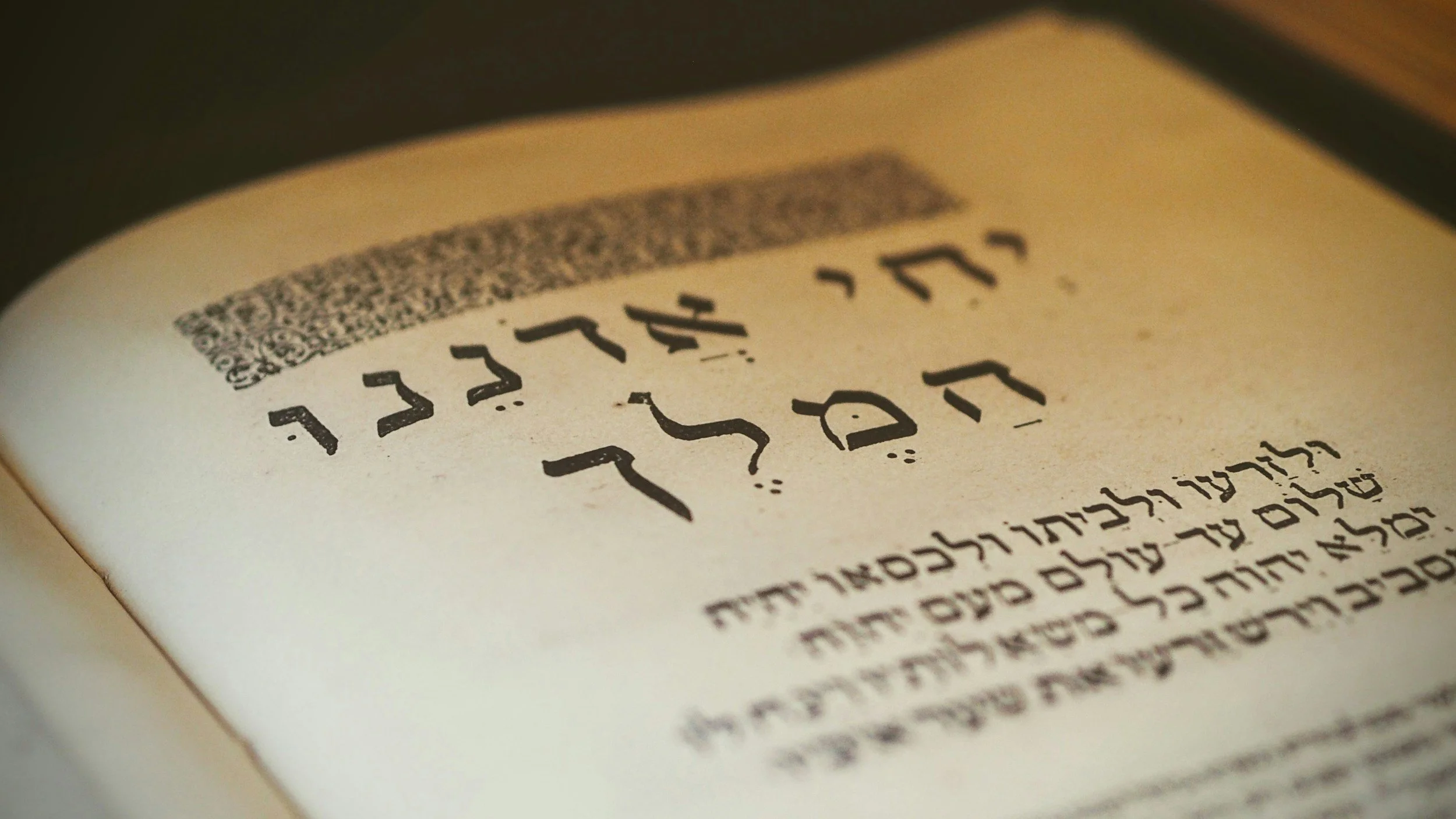
The Old Testament
-
These five books tell the story of how the Creator of the Universe, YHWH, chose the people of Israel as his own people, freed them from slavery in Egypt and made a covenant with them in the wilderness. The books contain narrative accounts as well as law texts covering the time up to and including the period of 40 years that the twelve Israelite tribes spent in the wilderness,
Genesis: background for the covenant: the creation of the world, the first humans, the story of the flood, Abraham, Isaac, Jacob and his sons.
Exodus: The story of Moses, the passover and the Israelites leaving their slavery in Egypt. The ten commandments and the building of the tent of meeting where Moses would communicate with the Creator, YHWH.
Leviticus: Laws regarding the priests and ritual purity
Numbers: Narrative and lists on the twelve Israelite tribes.
Deuteronomy: More laws, Moses’ final speech to the Israelites.
-
Joshua: Describes the conquest of the land of Canaan, where the Israelite tribes are to settle.
The Judges: Describes the early, chaotic period of Israelite presence in the land of Canaan, where different military leaders from time to time unite the tribes to fight different hostile people around them.
Ruth: a small book telling the story of a young, widowed immigrant woman arriving in the ancient town of Bethlehem in the land of the tribe of Judah, together with her mother-in-law.
1. Samuel: The story of the prophet Samuel, Saul the first king of Israel and the rise of David, on his way to become Israel’s greatest king.
2. Samuel: The story of David’s kingship.
1. Kings: The story of David’s son Solomon, the division of the kingdom of Israel into the southern kingdom of Judah and the northern kingdom of Israel. Includes stories of the prophet Elijah.
2. Kings: continuation of the history of the two kingdoms. Includes the story of Elijah’s successor, prophet Elisha. Records the destruction of first the kingdom of Israel by the Assyrians and then the kingdom of Judah by the Babylonians.
1. Chronicles: Israel’s story in compact form from the creation to the death of King David.
2. Chronicles: Continues from King Solomon and follows the Davidic dynasty of the Kingdom of Judah, ends with the declaration of the Persian king Cyrus, who lets the exiled Jews return to their land.
Ezrah: Tells of the Israelites who return to their tribal lands. Written partly in Aramaic.
Nehemiah: Tells of a high standing Jewish official in the Persian court, who returns to Jerusalem to rebuild its walls.
Esther: The story of a young Jewish woman, who becomes the queen of Persia and successfully prevents the destruction of the Jewish population of Persia.
-
Job: Probably the oldest book of the Bible. The books begins with the story of how Job loses his children and everything he owns. The main part of the book is a long poetic reflection on suffering, as a debate between Job and his three friends, The climax comes when God confronts Job about his words.
The Psalms: A wide collection of Israelite songs, ranging from laments into jubilant praise, addressed to the Creator, YHWH. A number of these songs are said to be composed by King David, who was also a musician.
Proverbs: A collection of Israelite proverbs, many of them associated with King Solomon.
Ecclesiastes: Philosophical reflections on life, struggling with doubt and disillusionment.
Song of Songs: Erotic and sensual poetry, written in the form of a dialogue between a bride and a groom. Traditionally associated with King Solomon.
-
Isaiah: Strong societal criticism of the kingdom of Judah. Contains many prophecies of the anointed one, who YHWH had promised would come and rule in righteousness.
Jeremiah: Strong societal criticism of the kingdom of Judah written during the final years of the kingdom and culminating in the destruction of Jerusalem.
Ezekiel: Strong language of societal criticism of the people of Judah and Israel, written in exile in Babylon.
Daniel: The story of Daniel, who becomes a high ranking official in the Babylonian and later the Persian court. Daniel’s prophecies and visions concerning the future. Contains apocalyptic elements. Partly written in Aramaic.
The twelve “small prophets” - Hosea, Joel, Amos, Obadiah, Jonah (yes, the one swallowed by a big fish), Micah, Nahum, Habakkuk, Zephaniah, Haggai, Zechariah and Malachi - contain various prophecies criticizing Judah and Israel as well as declaring judgement to neighboring nations. Micah and Zachariah contain prophecies of the coming Messiah (the anointed one).
Photo by Natalia Y. on Unsplash
The New Testament
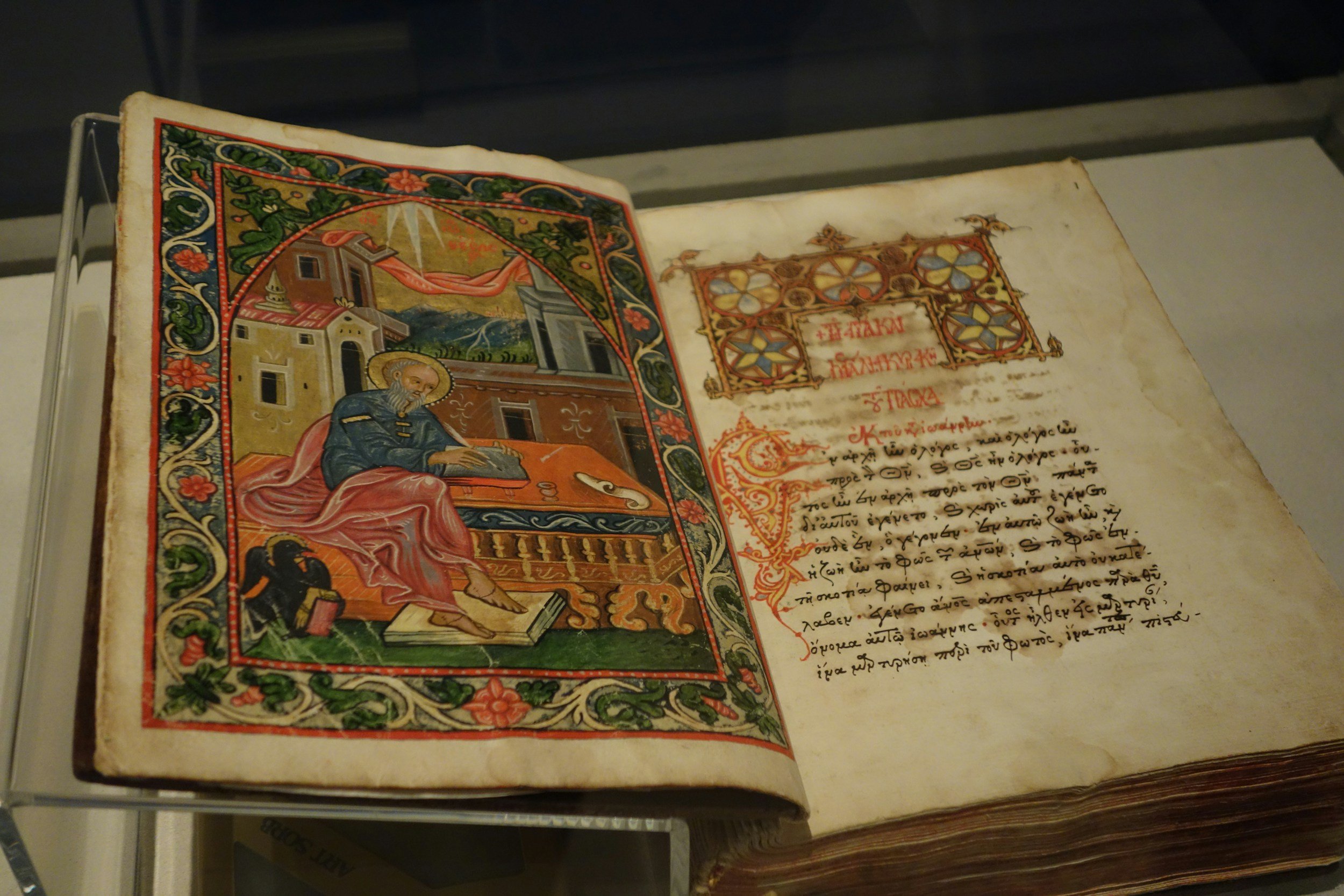
-
The Gospels tell about Jesus’ public life (covering about three years), culminating in his arrival in Jerusalem, his confrontation with the spiritual leaders of Jerusalem, his arrest, torture, death and resurrection.
Matthew: This gospel is associated with one of Jesus’ disciples. The gospel begins with Jesus’ line of ancestry to connect him to King David, which was important for his claim to be the anointed one prophesied of in the Jewish scriptures. Matthew seems to be writing primarily to a Jewish audience.
Mark: Considered the earliest of the gospels. A relatively short account of Jesus public life, concentrating on the events surrounding his death. It was probably written by a close associate to Peter, a disciple of Jesus and the leader of the early Christians.
Luke: the gospel of Luke contains the birth story of Jesus. Luke was probably a non-Jewish associate to Paul, an early follower of Jesus, who wrote most of the letters in the New Testament.
John: According to tradition, the gospel of John was written by one of Jesus’ closest followers, and thus an eye witness. This gospel is considered the latest of the four and contains very different material in comparison to the three others.
-
This book is part II of Luke’s account, a sequel to the gospel of Luke. It tells of Jesus’ early followers, particularly of Peter and Paul. Peter had accompanied Jesus during his public life, whereas Paul appears on the scene persecuting Jesus’ followers and after a dramatic encounter with Jesus becomes the most energetic campaigner for Jesus and the most prolific writer of the New Testament.
-
Romans: This longest of the letters was written to Christians in Rome, whom Paul had not met. A thorough theological work on what it means to follow Jesus.
1. and 2. Corinthians: Written to a congregation which Paul was very familiar with, discusses many practical issues. Contains the beautiful passage on love (chapter 13)
Galatians: Paul discusses the theme of grace as opposed to earning God’s favor through obeying his law.
Ephesians: Touches on the theme of Jewish and non-Jewish followers of Jesus, practical instructions as well as explaining spiritual warfare.
Philippians: Calls for imitation of Jesus’ humility, to live without grumbling.
Colossians: Instructions on Christian lifestyle.
1. and 2. Thessalonians: Contains prophetic passages on the end times.
1. and 2. Timothy: Paul’s instructions to his friend and loyal co-worker on how to shepherd the congregation he was leading. Practical instructions on Christian lifestyle and warning of false teaching.
Titus: Practical instructions to another leader of a congregation.
Philemon: A short letter to a Christian slave owner, where Paul pleads for a runaway slave who is returning to his master.
-
Written anonymously. Contains lots of Old Testament imagery, explaining Jesus’ role in the freeing of the world from the slavery of sin using the symbolism of the temple sacrifices familiar to Jews of the first century. (temple sacrifices ceased with the destruction of the temple in 69 AD).
-
James: Written by the younger brother of Jesus, who became the leader of Jerusalem Christians. Discusses faith and good works, the power of the tongue, warns against favoritism and wealth.
1. and 2. Peter: Written by Jesus’ closest disciple. Discusses the problem of suffering for being a follower of Jesus and living a Christian lifestyle, touches on false teachers.
1, 2. and 3. John: Short letters discussing God’s love and human love and hatred as well as false teachings.
Jude: Written by another brother of Jesus, this short letter warns against sinning, calling followers of Jesus to persevere in trials.
-
This is an apocalyptic text traditionally associated with John the author of the fourth gospel and Jesus’ close disciple. It contains instructions to seven churches, thought to symbolize all Christians, as well as a series of mysterious visions of the end times.
Photo by Aleksandra Sapozhnikova on Unsplash
How was it decided which books were to be included in the BIble?
The Old Testament consists of books that Jews considered sacred in Jesus’ time. But if you have looked at a Catholic Bible you may have noticed that it has more books than the Bible that most newer churches use. Throughout centuries theologians have had differing opinions on whether these books belong in the Bible or not. Many older Bibles included the the Deuterocanonical books, as they are called, placing them in between the Old and the New Testament. Many protestants consider the Deuterocanonical books to be useful for reading but not sacred, meaning you should not base anything of theological importance on them.
Apart from the Deuterocanonical books used by the Catholic Church, there are a number of other books, the pseudepigrapha (falsely attributed to biblical figures), which are generally excluded from the Bible. Both the Deuterocanonical texts and the pseudepigrapha are written in the centuries immediately before or after Jesus’ time.
By the 2nd century lots of stories about Jesus and his followers were circulating in the Roman Empire. Yet, the four gospels that are found in our Bible were from an early stage considered sacred. Books written by Jesus’ closest followers or their associates were considered most trustworthy. In this way, the 27 books that are in our New Testament, got a special status by their closeness to the source, long before they were officially declared “canonical”.
Read more about the New Testament canonization process here.